Introduction
Hitting the open highway with a furry companion is one of life’s greatest adventures. However, ensuring your four-legged friend remains safe, calm, and comfortable requires careful planning. Many pet owners underestimate the preparation needed for a successful journey. From managing anxiety to packing the right gear, every detail matters. This comprehensive guide on Traveling with Pets on Road Trips: Crates, Car Sick Meds & Packing List covers everything you need to know. You will discover how to turn a stressful ordeal into an enjoyable bonding experience. Proper preparation keeps both you and your pet safe behind the wheel. Whether you are driving across the state or planning a cross-country trek, these expert insights will help you navigate the road ahead.
Why Planning a Pet Road Trip Matters
Safety on the highway starts long before you turn the ignition. Unsecured pets can become dangerous projectiles during sudden stops. Furthermore, a distracted driver runs a much higher risk of accidents. Taking time to plan protects your pet and everyone else on the road. Researching pet-friendly stops along your route makes the trip smoother. Additionally, understanding your pet’s specific comfort levels prevents unnecessary stress. Proper acclimation to vehicle travel is the foundation of any successful trip. When you prioritize safety, you pave the way for a memorable vacation.
Choosing the Right Travel Gear and Crates
Securing your pet properly is the single most important safety step. Loose animals distract drivers and face severe injury in crashes. Investing in quality equipment provides peace of mind. According to recent Crash-Tested Restraint Studies , hard-sided crates and certified harness systems offer the highest level of protection. Selecting the correct size ensures your pet can stand, turn around, and lie down comfortably. Wire crates offer great ventilation, while plastic airline-style options provide cozy den-like security for anxious travelers. Always anchor the crate securely using seatbelts or cargo tie-downs. If you prefer harnesses, ensure they attach directly to the vehicle seatbelt rather than a standard collar. This distributes impact forces evenly across your pet’s chest. Introduce your pet to the crate weeks before departure. Feed them inside and place familiar toys to build positive associations. A comfortable setup minimizes travel anxiety and prevents motion sickness.
Managing Car Sickness and Pet Anxiety
Motion sickness can turn a peaceful drive into a messy ordeal. Symptoms include excessive drooling, whining, yawning, and vomiting. Fortunately, you can take proactive steps to help your pet feel better. Consult your veterinarian before the trip regarding prescription car sick meds. Natural remedies like ginger supplements or pressure-wrap shirts also calm nervous travelers. Avoid feeding your pet for two to three hours before departure to reduce nausea. Keep the vehicle cool and well-ventilated by cracking windows slightly. Take frequent breaks to let your pet stretch, sniff, and hydrate. Gradual desensitization helps pets prone to severe vehicle anxiety. Start with short drives around the block, slowly increasing the duration. Positive reinforcement with high-value treats builds confidence over time. Creating a calm environment inside the cabin ensures a peaceful ride for everyone.
The Ultimate Pet Road Trip Packing List
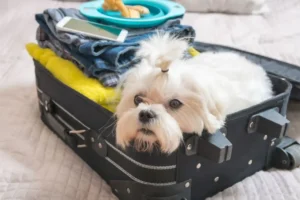
Packing efficiently prevents roadside emergencies and keeps your pet happy. Having essentials readily accessible saves you time and stress at rest stops. Organize your supplies in a dedicated pet bag or bin. Your checklist should include fresh water, collapsible bowls, and enough food for the entire trip. Bring familiar bedding and favorite toys to provide a sense of home. Essential documentation, including vaccination records and microchip info, must stay within reach. Always pack a pet-first-aid kit containing bandages, antiseptic wipes, and tweezers. Don’t forget waste bags, grooming wipes, and a sturdy leash for pit stops. If you are planning a <!–>Road Trip With Pets–>, having a pet-specific first aid manual is also wise. Label your pet’s collar with up-to-date contact numbers. Preparing for unexpected weather changes ensures your companion stays warm or cool. Every item on your list plays a role in maintaining your pet’s routine.
On-the-Road Safety and Wellness Tips
Maintaining a routine during travel helps reduce pet stress significantly. Try to feed your pet at their normal feeding times when possible. Offer bottled water rather than tap water to prevent stomach upsets from unfamiliar local water sources. Never leave your pet unattended in a parked vehicle, even for a few minutes. Temperatures inside cars rise rapidly, posing fatal risks. Plan your route to include dog parks or safe walking trails. These stops burn off excess energy and make for a much quieter ride. Monitor your pet closely for signs of fatigue or heat exhaustion. Adjust your driving schedule if your pet shows signs of distress. Remember that patience is your best tool when traveling with animals. For more travel inspiration and resources, explore guides on Leadingmedia.
Conclusion
Traveling with pets transforms a standard vacation into an unforgettable adventure. By prioritizing safety through crash-tested gear, managing motion sickness, and packing thoroughly, you set the stage for success. Preparation eliminates guesswork and lets you focus on enjoying the journey with your best friend. Start organizing your gear today and embrace the open road. Share your favorite pet travel tips or reach out if you need further advice on your upcoming adventure.
Frequently Asked Questions
How can I stop my dog from getting sick in the car?
Prevent car sickness by withholding food a few hours before travel. Consult your veterinarian about safe car sick meds or natural ginger supplements. Acclimate your pet gradually through short, positive drives.
What size crate do I need for a road trip?
Choose a crate that allows your pet to comfortably stand, turn around, and lie down. Measure your pet from nose to base of the tail, adding a few inches for clearance. Ensure the crate fits securely in your vehicle.
Should my dog wear a collar or harness in the car?
Always use a crash-tested harness attached to the seatbelt or a secured crate. Standard collars can cause severe neck injury if you brake suddenly or get into an accident.
What documents should I pack when traveling with pets?
Always pack up-to-date vaccination records, health certificates if crossing state lines, and proof of rabies vaccination. Keep your veterinarian’s contact information and local emergency vet numbers handy.